
Are you one of those people who want to build an AI-based app like Fitbod? Well, you aren’t alone. Building a successful fitness app with the power of AI doesn’t come easy at the moment.
It is an entire journey that has to be taken care of every step of the way, from the technology to the planning that goes into it. It is all about getting AI into fitness applications for personalized workout programs that need to be more directed and better structured.
Mobile apps built like Fitbod have set high standards in the industry where AI defined its work in real-time as feedback, customized workout plans, and detailed progress tracking. Thus, the tactical method makes fitness routines more useful and interesting.
In this blog post today, we will cover all about such an app like Fitbod. We will list some of the core features, the process to build such an app, anticipated costs to create such apps, and more. So grab something to munch on and let’s read along the entire blog.
Fitbod: A Comprehensive Overview
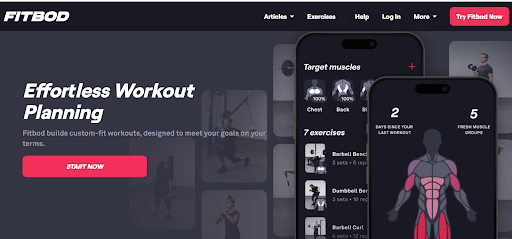
Before understanding how to build a fitness app like Fitbod, it’s crucial to know a bit about this app. So, Fitbot is a fitness mobile app that offers a personalized exercise plan developed to push your limits. People who want to live a healthy lifestyle can use this app to get stronger.
It uses AI to plan the workouts based on multiple factors like routine, objective, and more. It makes the entire workout process effortless for users and is hence loved by a lot of people. The app contains several effective exercises for different purposes, making it a one-stop destination for users.
Market Size of AI and Fitness Apps
Gone are the days when normal fitness apps used to rule the market. Now, with the increasing demand for AI development services, the demand for AI-powered fitness is also increasing. Let’s have a look at some statistics to understand it clearly:
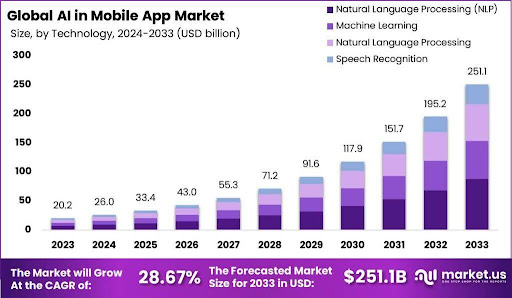
- As per a report, the AI mobile applications market worldwide is set to flourish from $20.2 billion in 2023 to reach a staggering $251.1 billion by 2033.
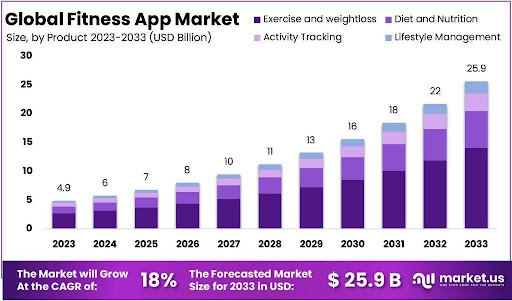
- As per another report, the fitness mobile app business would grow to be between $4.9 billion and about $25.9 billion by 2033 at CAGRs of 18%. Also, revenues from fitness applications are supposed to increase from $6.86B in 2024 to $10.06B by 2029, marking an annual rate of change equal to 7.96%.
- The AI in Fitness Market Size is estimated at USD 8.60B in 2023 and is expected to reach USD 34.73B by 2031.
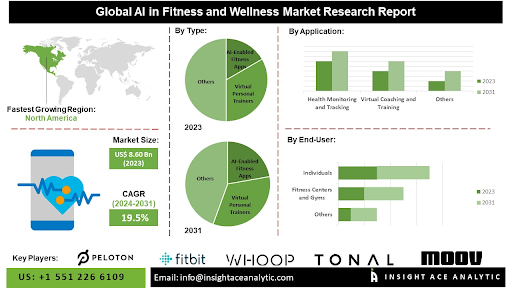
So, these statistics clearly show that the demand for AI-driven fitness is going to increase in the future tremendously. Hence, you can build your fitness app today.
Core Features of a Fitness App like Fitbod
When you make a really unique fit app just like Fitbod, you should have the features. So, here is a list of the most important functions:
1. AI-Powered Personalization
One of the key features your fitness app should have is AI-driven personalization. Everyone has different fitness journeys and goals, so in order to make your app valuable for everyone you need to have personalization. And AI can do that for you. It can analyze the history, skills, routines, and much more instantly and suggest the customized plan.
2.An Extensive Exercise Catalog
As we already know there are thousands of fitness apps like Fitbot available in the market. So, what makes your app different from others? It’s the exercises and catalog. You need to have a bunch of unique exercises to attract your users. There should be exercises that meet users goals. You should include the videos on how to do these exercises with the right technique.
3. Workout Tracking
Another interesting feature to add in your fitness app is the workout tracking. So, allow the users to input their workouts in something similar to an Excel spreadsheet, with detailed analytics. This could include – sets, reps, and the weight shown to them, from which they get to track their goals. For example, if they have done pushups today, the app should be able to track how many pushups they have done and how more they need to do.
4. Progress Reports
This really motivates your users and makes your app a good hit in the market. Add as many tools as you can to make it easier for your users to track their progress. Like you can add charts or graphs, showcasing their weekly, monthly, and yearly progress.
5. Wearable Integration
Use world-renowned wearables like Apple Watch or Fitbit. Your apps should be able to track health indexes such as heart rate and sleep patterns that would create a more immersive experience of fitness.
6. Nutritional Tracking
Apart from workout tracking, you can add a nutrition tracking option as well. Nutrition tracking adds wellness to the user experience significantly. Allow users to log what they eat, display calories they have taken, or even provide personal recommendations for dietary reference values to gain fitness target achievement.
7. Push Notification
Forwarding a reminder through ringing tones at the time of the next fitness schedule or milestone reminds and encourages the user to rush toward goals. Such features integrated into the fitness app will satisfy one’s needs in a completely fulfilled experience to keep one ideally motivated for health and fitness resolutions. To bring these features to life with precision and scalability, many successful startups collaborate with top AI development firms that specialize in fitness tech and user-centric design.
Cost of Building an AI-Powered Fitness App Like Fitbod
Developing an AI-powered fitness app like Fitbod would cost $50,000 to $300,000. Of course, this is only a broad estimate because the final figure will depend on the complexity of features, the selected technology, and the platform. The incorporation of high-end technologies such as real-time feedback, personalized workout planning, and tracking of various activities can raise development costs.
Let’s delve into the factors that contribute to the cost of developing a sophisticated artificial intelligence fitness app.
Key Factors Influencing the Development Cost
1. Complexity of Features
The app features directly influence cost scope and complexity. Simple essentials like exercise tracking and tailored workout plans won’t spike costs very high, but advanced features such as artificial intelligence recommendations, voice recognition, and real-time analytics will cost more.
2. Platform Selection
The selection between cross-platform or native apps will majorly determine development cost. Cross-platform would most likely be an app to build quickly, at a lower cost, but with humble performance features and customizability. Native would, however, assure that app’s superiority in performance and overall experience, but that item both graces the bill and duration of development charged.
3. Invests Towards a High Multi-Standard User Interface
Because they also add value and lead to success for an application, good UI and UX would always be an attraction and retention necessity. This investment will actually take away a part of the time and budget as it states about the user involvement.
4. Remodeling AI and Machine Learning
Perhaps one of the most costly paths will be the integration of AI and machine learning into the application due to the complexity of developing and training algorithms that will do what is otherwise an intelligent exercise.
In addition, AI models are extremely data-hungry, thus making their processing contribute to augmenting costs around data gathering and cleansing. Such algorithms also need to be updated continuously to remain current and relevant and hence lead toward development and maintenance costs. Finally, with data privacy compliance regarding regulatory bodies such as GDPR, additional costs will be incurred.
5. Size of the Development Team
Price will primarily depend on team size and specialists. A big team consists of many specialists in the areas of AI, backend development, UI/UX design, mobile app development, etc. Such a team will spell high-quality output relatively fast when it comes to app development. However, keep in mind that larger teams pour the entire process into a larger price tag but bring speed to the entire process and a well-rounded end product.
6. Location of Development
The location of your development team would greatly determine the cost to develop any kind of software; for instance, hiring in such developing countries as India is really economical with respect to costs because a vast number of such individuals, including AI, data science, software development experts, and others, are considered to be found in one country. However, such distant teams would require a much stronger project management interface to ensure there are no barriers to developing and delivering a product of high quality.
6. Legal and Administrative Expenditure
Developing a fitness app involves many aspects, such as patents, licenses, and protection of intellectual property, all of which cost money as legal and administrative expenses. You will also have to create other legal documents like terms of service and privacy policy and comply with data privacy regulations.
This is imperative for safeguarding the business, all the while making a better impression on the users. All these incur legal expenses, which can become hefty, but in the end, they keep your app alive in the market.
7. Maintenance and Updating
An application must be maintained and updated – it has to be maintained and updated, especially after the launch, for it to succeed through the years. It helps fix bugs, increases performance, and brings in new technologies, making the app run and current.
For an AI fitness app, if the algorithm has to be good, then it should be retrained with new data frequently for continuous good performance. User support and feedback continue to be important for developing better features and user satisfaction. These maintenance tasks do, however, add to the total cost of development and should, therefore, be counted into the budget.
So, here is what exactly the cost looks like:
| Factor | Details | Estimated Cost Range |
| App Platform | Android, iOS, or both | $15,000 – $50,000+ |
| AI/ML Features | Recommendation engine, analytics, tracking | $20,000 – $100,000+ |
| App Design | UI/UX design, branding, responsiveness | $10,000 – $30,000+ |
| Database & Backend | Cloud storage, user profiles, analytics | $15,000 – $50,000+ |
| Integrations | Wearables (e.g., Fitbit, Apple Watch), APIs | $5,000 – $20,000+ |
| Development Team | Programmers, designers, testers | $50,000 – $150,000+ |
| Marketing & Launch | Promotions, app store optimization | $10,000 – $30,000+ |
Top 3 Popular Fitness Apps
Well, here are the top 3 alternatives to its Fitbod app:
1. Home Workout – Fitness Trainer
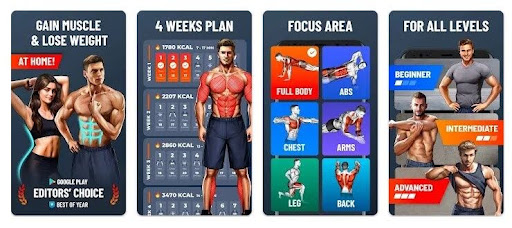
Narrated particularly for users who do not want to go outside and prefer to work out at home, it was designed to provide many free home workout programs that require little or no equipment. It offers a diverse range of exercises, structured programs, and nutrition plans, so this is a flexible option for achieving your fitness goals without a gym.
2. SmartGym
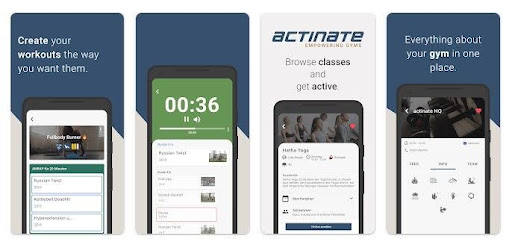
More than anything, SmartGym personalizes workout plans on the basis of advanced algorithms according to different goals like fat loss, muscle gain, and endurance. It has been packed with over 130 ready-to-implement workouts in conjunction with appropriate fitness tips, thus giving every user an alternative yet effective, goal-oriented approach to fitness for anyone searching for a possible well-rounded training regimen.
3. JEFIT
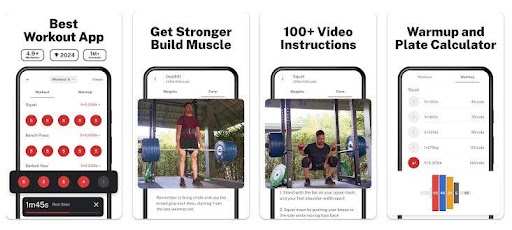
JEFIT is literally one of the best fitness applications for creating personalized workout routines, tracking progress, and having extensive exercise guides, among many more. All ranging from wanting to long-term record their fitness journey, sets, reps, rest times, and more. It also has community features for connecting with others and sharing their success stories.
Steps to Develop an AI-Powered Fitness App
To build a successful app you need a trusted fitness app development company. However, you need to be aware of the process to build it. So, here are some core steps:
1. Evaluate and Understand the Target Audience Market
Do some probing and in-depth research to find out what the target clientele wants. What preferences do they have? What challenges do they have? What can be expected from them? Such insights will be instrumental in developing that fitness app to serve all user needs and pain points.
2. Selection of Platforms
It is important to decide whether your application will be available on iOS, Android, or both. Ask the target audience about their platform preference and balance with the features each offer. You could go the cross-platform app route and perhaps achieve maximum reach but at the cost of not delivering the most native best experience.
3. Build a Prototype for Feedback Improvement
By the concepts and development of a functional prototype, the design, features, and user flow of the application can be imagined. It then must be carried to a pilot group for discussion. It can be applied to further develop the features and interface of the application that meet the expectations of users before releasing the full-scale version.
4. Choosing the Right Technology Stack
Select an appropriate tech stack that fits into the characteristics of the app, its needs for scalability, and performance required. Ensure selection works with technologies like AI/ML frameworks, cloud storage facilities, and secured databases for the smooth operation of the apps.
5. Implementation – Development, Testing, Refinement
After completing the prototype finalization, the first step is to initiate a process of development. In the meantime, testing may be conducted while developing to eliminate bugs and performance bugs. Iterative testing and refinement are necessary to provide a sleek, friendly product.
6. Multi-Focal Approach Towards Security and Cloud Protection
The secure applications store numerous user-related data, health metrics, and so forth. Ensure that all the factor one bottles or integrates and encrypts the data using appropriate authentication so that users can read it and are in line with the regulations of data privacy.
7. Achieve the Best Performance
Speed and reliability are where your application gets it across. It is seamless to use, with no lags or crashes, bringing people back to the application again and again. Stress testing is also conducted to prove that the app can withstand maximum loads without compromising performance.
8. AI-Enhanced Personalization
Add AI and machine learning so it can give personalized assignments and monitor their progress and contents. All these features of the app make it more engaging to users, thereby increasing its attractiveness and competition in the market.
9. Intensive Testing for User Experience
Try out the user interface and navigation of the app such that it becomes totally intuitive and easy to use. It will garner higher ratings in appreciation, better user retention, and more word-of-mouth hype as long as the user experience is good.
10. Launch and Market Your App Strategically
Distribute your app to all the major app stores after complete testing. Prepare a holistic marketing strategy for the launch of the app- digital advertising, social media, partnerships, and influencer collaboration.
Final Thoughts
AI is transforming all the industries and fitness is no exception. So, to build an AI-based fitness app like Fitbod, you need to know everything about it. From features to cost to the process, we’ve discussed this in this blog.
One thing, which is crucial here is the partner you hire to build such an app. It is suggested to hire the best mobile app development company in India like iWebservices who can offer you both expertise and affordability.
FAQs
How long does it take to build an app like Fitbod?
Well, it depends on several factors like who is developing your app, what sort of features you are including, what’s your budget, and more. However, the estimated time would be around 6 months to 1 year.
Is a fitness app a good idea for a startup?
Yes, why not. With the increasing popularity of AI-driven fitness apps, you can also flourish your business. Startups can build a feature-rich app, keeping their users in mind and take the full advantage of the benefits associated with a fitness app.

Dalina Scott
Dalina Scott is a key player in the marketing team at iWebServices. With a sharp mind for strategy and a talent for crafting compelling narratives, Dalina ensures that our content not only engages our audience but also drives significant value. Her dedication to staying ahead of industry trends and her keen analytical skills make her an invaluable asset to our team. When she’s not developing innovative content strategies, Dalina enjoys sharing her knowledge and insights through our blog, helping readers understand the nuances of effective content marketing.